

14.09.26
BEHIND THE SCENES AT SUFFOLK SHORTS: HOW OUR FILM REVIEW PANEL SHAPES THE FESTIVAL
Ever wondered how films are selected for Suffolk Shorts? Our volunteer review panel watches every submission, helping the programming team discover outstanding short films and diverse voices from around the world.
One of the things Suffolk Shorts has noticed over the years is that short films really do appeal to all ages.
“I say reviewer, but in my head I’m a film critic. Barry Norman, Mark Kermode… and me.”
From the very beginning, when we curated a family friendly programme for First Light Festival, we’ve tried to make sure we have a diverse Official Selection for just that reason. One of the ways we do that is by recruiting from different age groups for our screening panel. This means we get different perspectives at the early stage before the Programming Team makes their decisions.
We asked two members of our panel to talk about their experience of reviewing short films for the festival. One is in their 70s (Chris), the other has just left college (Elena)
Chris:
I never dreamed of becoming a film critic when I was at school. The Careers Teacher certainly didn’t suggest it as an option alongside office work or shop assistant. Yet here I am, reviewing films. Admittedly I’m unpaid, so technically it’s not a career, but I’m choosing not to dwell on that.
There’s something rather satisfying about taking on a completely new role in retirement, especially when it isn’t becoming the shop assistant my teenage self was apparently destined to be.
I think this is my fourth year as a reviewer. I say reviewer, but in my head I’m a film critic. Barry Norman, Mark Kermode… and me. One of those names may be doing slightly more heavy lifting than the others.
Over the years I’ve learned so much about filmmaking. I’ve become surprisingly good at spotting when all the different elements come together beautifully—and when they really, really don’t. I no longer just watch the story unfold. I find myself noticing the editing, the direction, the soundtrack, the pacing, the performances, and whether everything is working together to tell the story the filmmaker intended. Once you start looking, you can’t stop.
I’ve also gained a bit of a reputation for my reviews. I’ve never believed in sugar-coating my opinions, so I try to be honest about what works, what doesn’t, and why. Hopefully with a little humour rather than unnecessary brutality. If a film leaves me wondering whether everyone involved had actually met before filming started, I might say so. Equally, when something is exceptional, I’m just as enthusiastic in singing its praises.
But reviewing hasn’t only taught me about filmmaking. The stories themselves have taught me so much about people—their lives, hopes, ambitions and resilience. Every film leaves something behind. Some make me laugh, some make me think, and a few stay with me long after the credits have rolled.
For that, I’d like to say thank you to Suffolk Shorts, and to every filmmaker who has trusted us with their work. My favourites don’t always win, but I hope they know that the impact of their films has reached far beyond the festival itself.

Elena:
How volunteering for Suffolk Shorts gave me more direction than volunteering in Japan.
With first-class honours in Media Production, a year studying film at a Japanese university, multiple industry internships, and enough creative skills to make me a one-person production company, I had done everything you're apparently supposed to do to start a career.
So, naturally, I did the logical thing when choosing a career path: packed a camera, waved goodbye to the UK, and moved to Japan to volunteer.
I wish I could tell you that this story ends with me 'finding myself' on Mount Fuji, and suddenly struck by my true cosmic calling. Hate to break it to you, but life isn’t a Hollywood indie film. I came back to the UK still figuring it out, though my obsession with film and cinematography remained firmly intact.
If you told me a year ago that I would end up on the viewing panel for a short film festival in Suffolk, I would have said two things. First: 'There are no short film festivals in Suffolk.' Second: 'How do you, a person in Japan, even know what Suffolk is?'
Plot twist: I was wrong. And not just about people in Japan knowing about Suffolk (thanks, Ed Sheeran).
When I moved home, I discovered Suffolk Shorts, and immediately, calmly (aggressively), emailed them asking about volunteer opportunities. And that's when I started to re-open my eyes to a career in film and cinema.
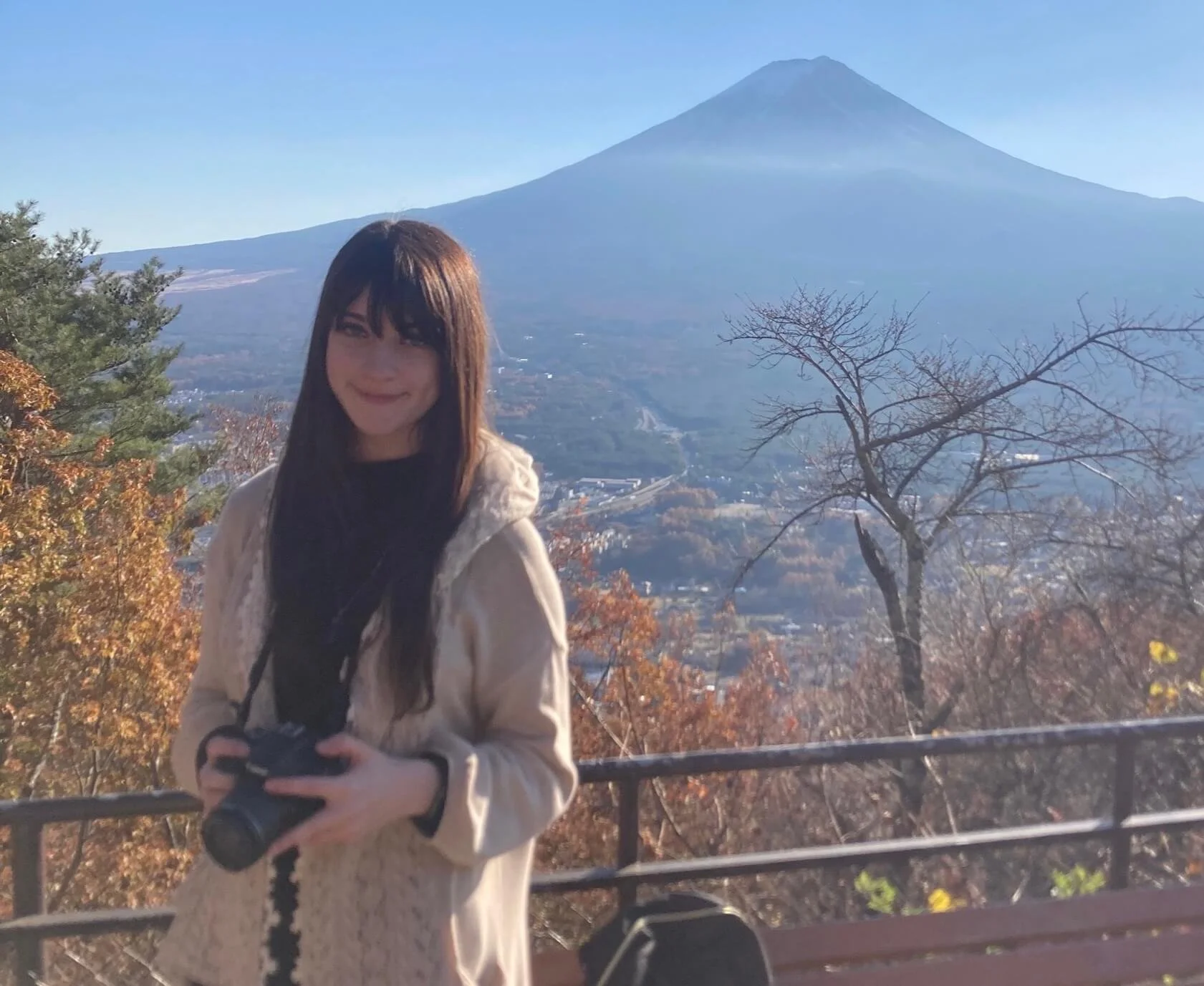
Elena in JapanBeing on the Viewing Panel for Suffolk Shorts.
When I was asked to be on the viewing panel for Suffolk Shorts, I had no idea what to expect. It was all very new and exciting, and this would be my first— hopefully not last— time being on the viewing panel.
What I gained from it, however, was more than I expected.
Essentially, I became a film critic. I watched submissions, wrote reviews for the judges and noted my own thoughts on where the film could be improved. Although I didn't need to add my own creative input. But I couldn’t help myself.
What started as watching one film quickly spiralled into ten. Suddenly, I wasn't just watching; I was analysing.
It took me back to my first film class, where a tutor warned me that once you start learning about film, you will never be able to watch them mindlessly again.
That lesson turned into a cautionary tale because, oh boy, were they right.
I started viewing filmmaking like a complex machine: if one gear fails, the whole system grinds to a halt. That is the reality of cinema. It is a completely collaborative medium where writing, lighting, sound, editing and performance must amalgamate to create the final artwork.
Once you start noticing these elements, you can’t turn it off.
Now, when I watch a film, I instinctively critique it. I’m analysing the symbolic meaning of each scene, questioning why certain creative decisions were made, and occasionally thinking about how I would have done it differently. But for me, and for many other film enthusiasts, that’s exactly what makes film such a subjective form of art. We all bring our own interpretations to it.
As the artist Marcel Duchamp beautifully said, “The creative act is not performed by the artist alone; the spectator... adds his contribution to the creative act.”
By evaluating these submissions, I realised I wasn't just there to watch; I was actively completing each artwork through my own perspective, helping to decide which stories deserved to move forward.
More importantly, I started to understand what constitutes great filmmaking to me. I began to recognise what makes a film good, what makes it memorable, and what can push it so it becomes unforgettable.
And that's where Suffolk Shorts opened my eyes.

Suffolk Shorts vs Moving to Japan to Hone Filmmaking Skills?
Bizarre as it may sound, trust me when I say I had an amazing time in Japan, and I wouldn't trade that experience for anything in the world. But when it comes to filmmaking, Suffolk Shorts gave me a perspective I hadn’t realised I was missing.
In Japan, I had amazing opportunities to work on my own documentaries (enter the shameless plug in), which you can watch on my YouTube channel @elena.wanders. I also worked on personal cinematography projects, which I constantly post on my TikTok, @elena.wanders.
Being on the viewing panel for Suffolk Shorts presented me with the chance to step outside my own work and see how other filmmakers approached theirs. I watched a huge variety of filming techniques, creative choices and storytelling styles. And more importantly, I got to see what filmmakers were capable of creating without a major Hollywood budget.
Which was very inspiring.
It made me want to try these techniques myself.
I gained a deeper understanding of filmmaking simply by watching it.
And not to quote another famous person, but as Quentin Tarantino once famously said, “When people ask me if I went to film school, I tell them, 'no, I went to films.”
There is a lot of truth to that.
If you are an aspiring filmmaker and you want to hone your craft, one of the best things you can do is watch other people’s work. Really watch it. Analyse it. Question it. Figure out why something works— or why it doesn’t.
And if you get the opportunity, volunteer at a film festival. Then it’s not a bad direction to go. Being on a viewing panel isn’t just about watching films. It’s about learning from them.
Because filmmaking is collaborative. Even when you’re sitting alone in front of a screen, you’re still learning from someone else's creative decisions.
I moved to Japan thinking I needed to make more films to find my direction.
It turns out, I also needed to watch them.
Author:
Chris & Elena
Two of our panel members from this years East X East Programme
RELEVANT BLOGS
15.08.26
TAKING EAST X EAST TO THE BIG SCREEN:
SUFFOLKS HISTORIC CINEMAS
We're thrilled to announce that our special programme, EAST X EAST, is going on tour — and we couldn't be prouder of where it's headed.
15.08.26
NO CREW. NO CAST. NO BUDGET.
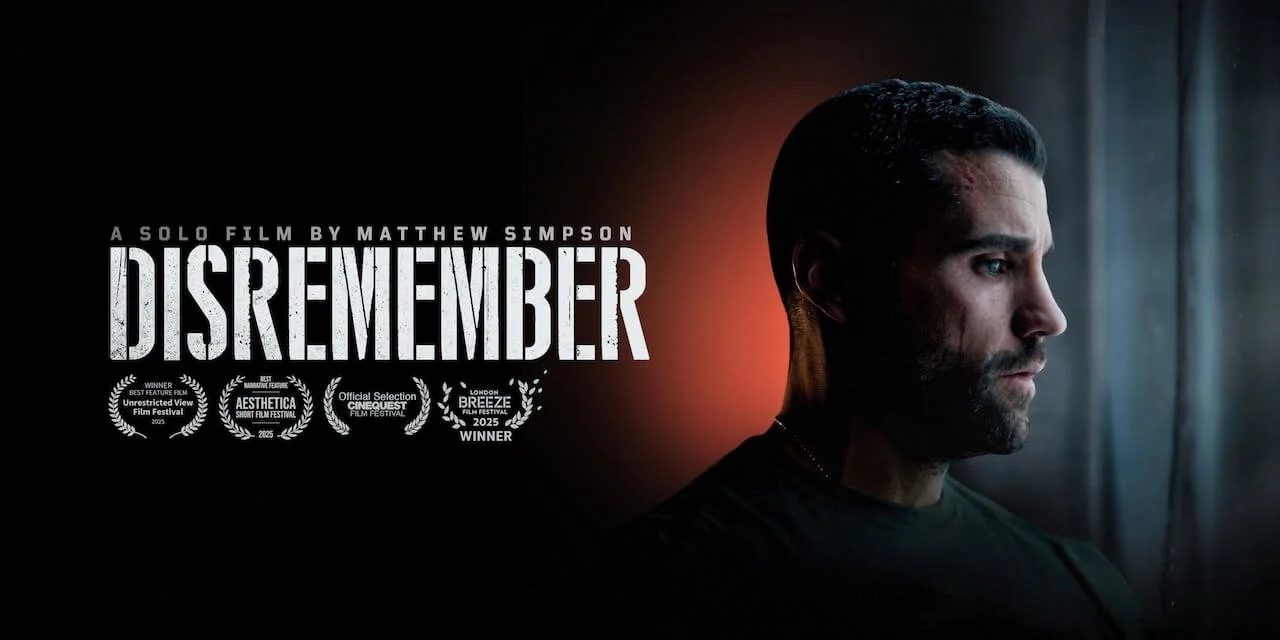
Lowestoft-born actor and filmmaker Matthew Simpson explains how he created every aspect of DISREMEMBER, the world’s first award-winning live-action feature film made entirely by one person.