

15.08.26
NO CREW. NO CAST. NO BUDGET. HOW I MADE AN AWARD-WINNING FEATURE FILM COMPLETELY ALONE.
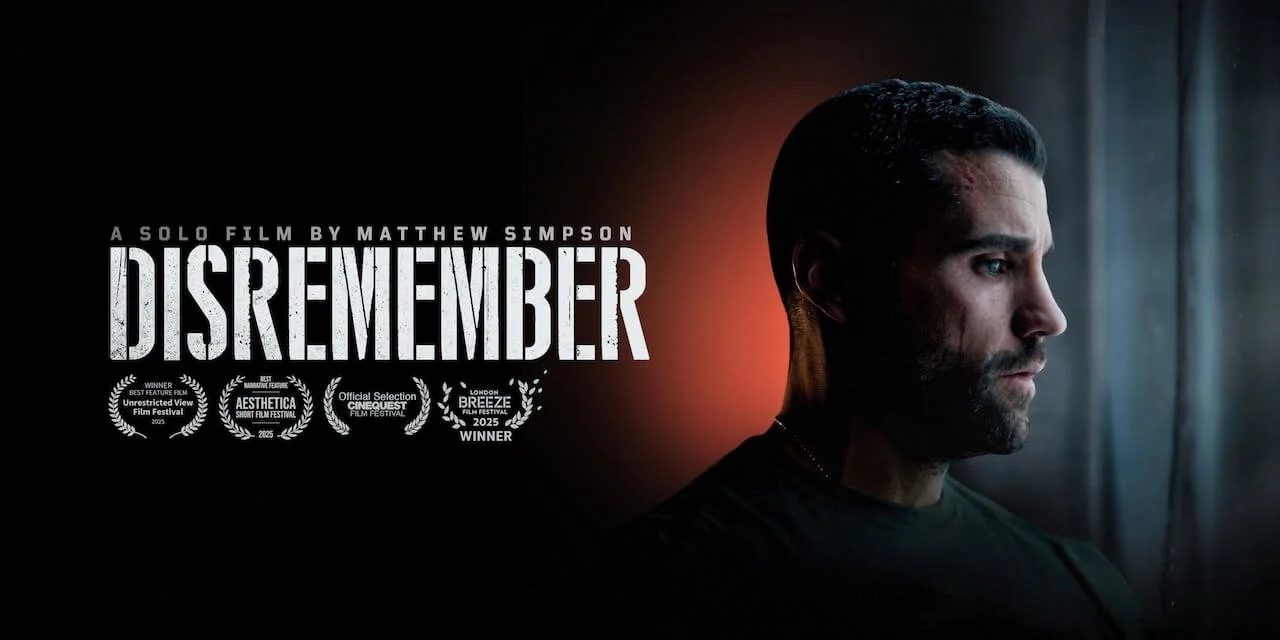
Lowestoft-born actor and filmmaker Matthew Simpson explains how he created every aspect of DISREMEMBER, the world’s first award-winning live-action feature film made entirely by one person.
From concept to completion, DISREMEMBER took six years. During that time, nobody saw a single frame. Not a producer, editor, test audience or even my wife. Not until the entire 85-minute feature was finished.
That was a huge risk, made even riskier because it is a psychological thriller built around unexplained blackouts, time jumps and twists.
It was potentially disastrous. But then again, so was making it completely alone.
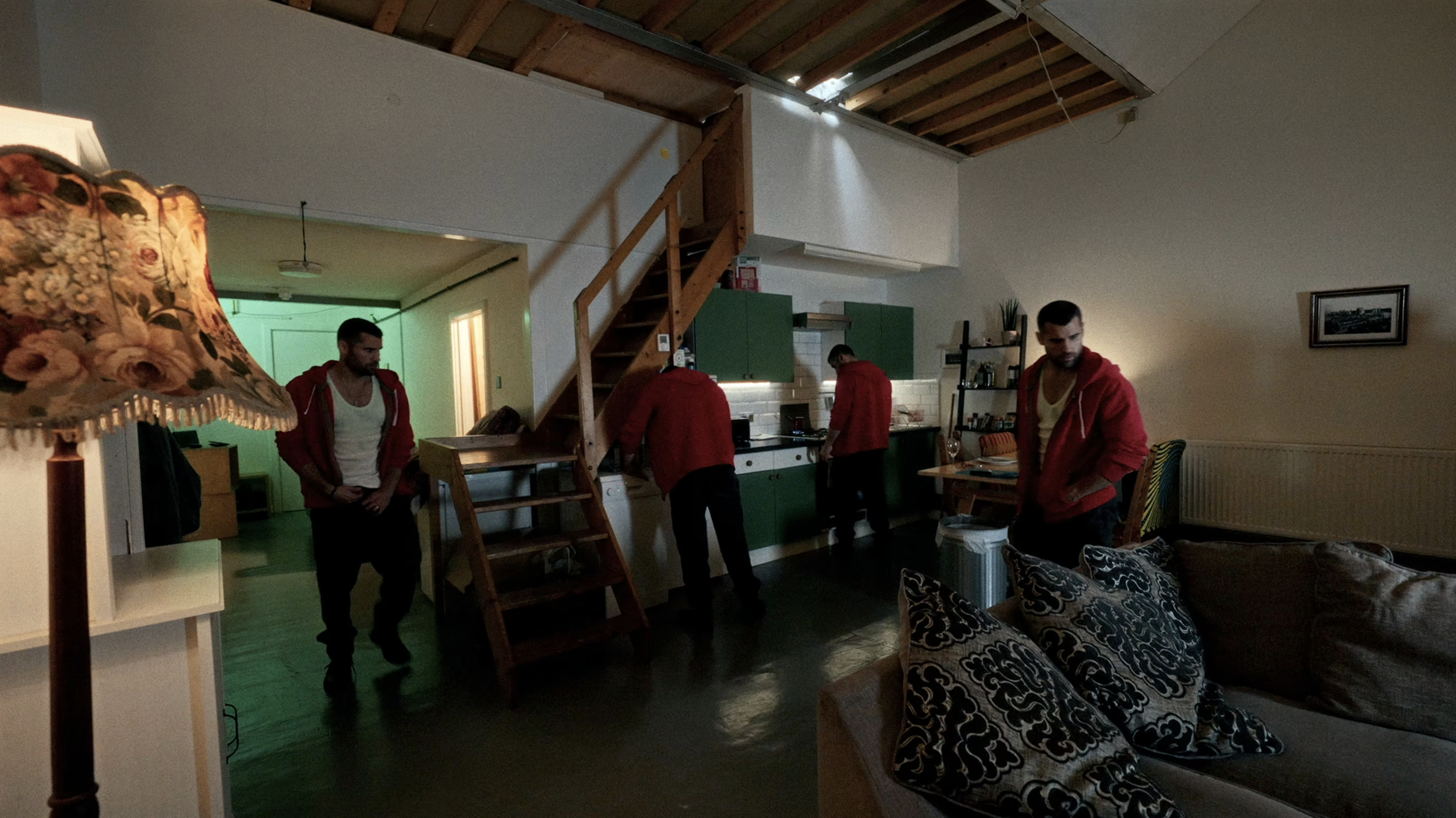
I wrote, directed, produced, shot, edited, performed and handled every other aspect of DISREMEMBER completely solo.
No crew. No cast. No budget.
It was filmed over twenty intense days in a warehouse apartment in Hackney, followed by more than a year of post-production.
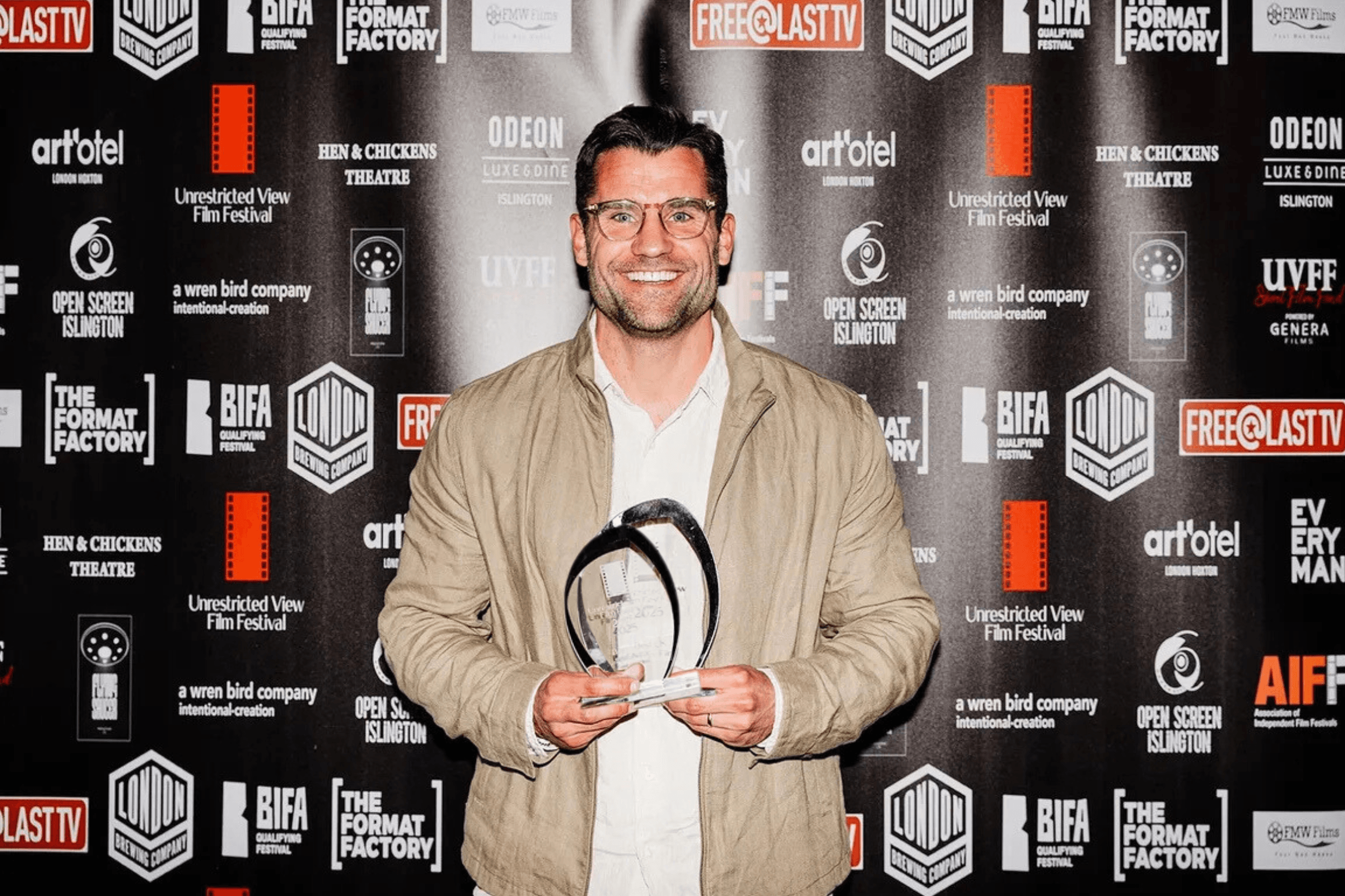
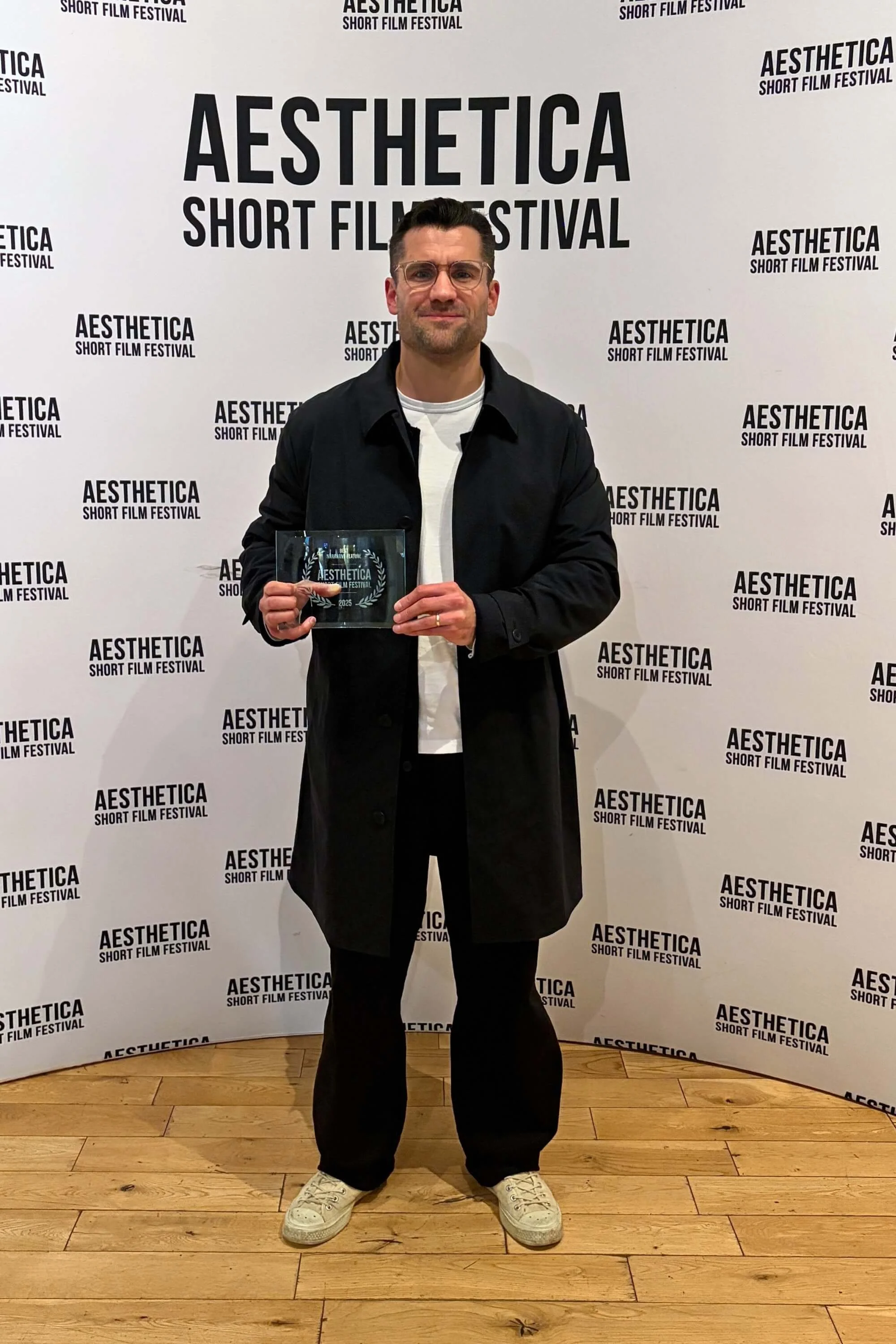
The film has since won Best Feature awards at Aesthetica, London Breeze and Unrestricted View Film Festivals, where I also won Best Actor, before making its US premiere at the renowned Cinequest Film Festival in California.
What began as a slightly insane personal experiment has become something far bigger, gaining national news coverage and even inspiring others to push their creative boundaries and create solo projects of their own.
It all feels a bit surreal, especially considering how many times along the way I genuinely thought I would never finish it.
From a Drunken Joke to a Six-Year Obsession
Why did I decide to make the film alone? I get asked that a lot.
Well, at the end of the credits, the words “For the love of film” appear on screen.
I guess it all boils down to that, really.
I began my career as an actor, which meant becoming very familiar with rejection as well as other knockbacks. I was cut from a studio film, worked on projects that were never completed and even had a film shelved because the country it was filmed in went to war.
I eventually began building a career on the other side of the camera, directing commercials while continuing to work as an actor.
While on those jobs, I was always interested in what the rest of the crew were doing. I became fascinated by cinematography, lighting, editing, colour grading, sound and music, and how all these individual roles came together to create the finished piece.
Over time, I gained enough practical knowledge and experience across those departments to convince myself that I might be able to make an entire feature alone.
How mistaken I was.
But the idea did not properly take hold until one drunken night at the Chateau Marmont in Los Angeles. I was talking to a producer about the script having only one character when he challenged me to make the film completely alone.
It was said as a joke. But, perhaps naively, I took it seriously.
The more I thought about it, the more reasons I had to do it. The rejections, unfinished projects, waiting and my growing fascination with every part of the filmmaking process.
Film is, quite rightly, a collaborative art form. A good crew would have made almost every aspect of DISREMEMBER easier and better.
But as we all know, this is a tough industry. Most actors and filmmakers spend much of their careers waiting. We wait for auditions, funding, permission, a green light or the right collaborators before those opportunities can happen.
DISREMEMBER became my way of breaking free from the industry shackles. I wanted to challenge myself, take what I had learned on both sides of the camera and see a project through to completion, no matter what.
I also wanted to prove that filmmaking does not have to follow a particular formula or be out of reach because of budget.
In the end, it is all just storytelling. It does not matter how you create the story. It matters whether people want to watch it.
Planning for the Unknown
DISREMEMBER was not originally conceived as a solo film. There were several characters in the early drafts, but as the story developed, I became increasingly focused on one man’s internal battle with himself. Gradually, the other characters became obsolete.
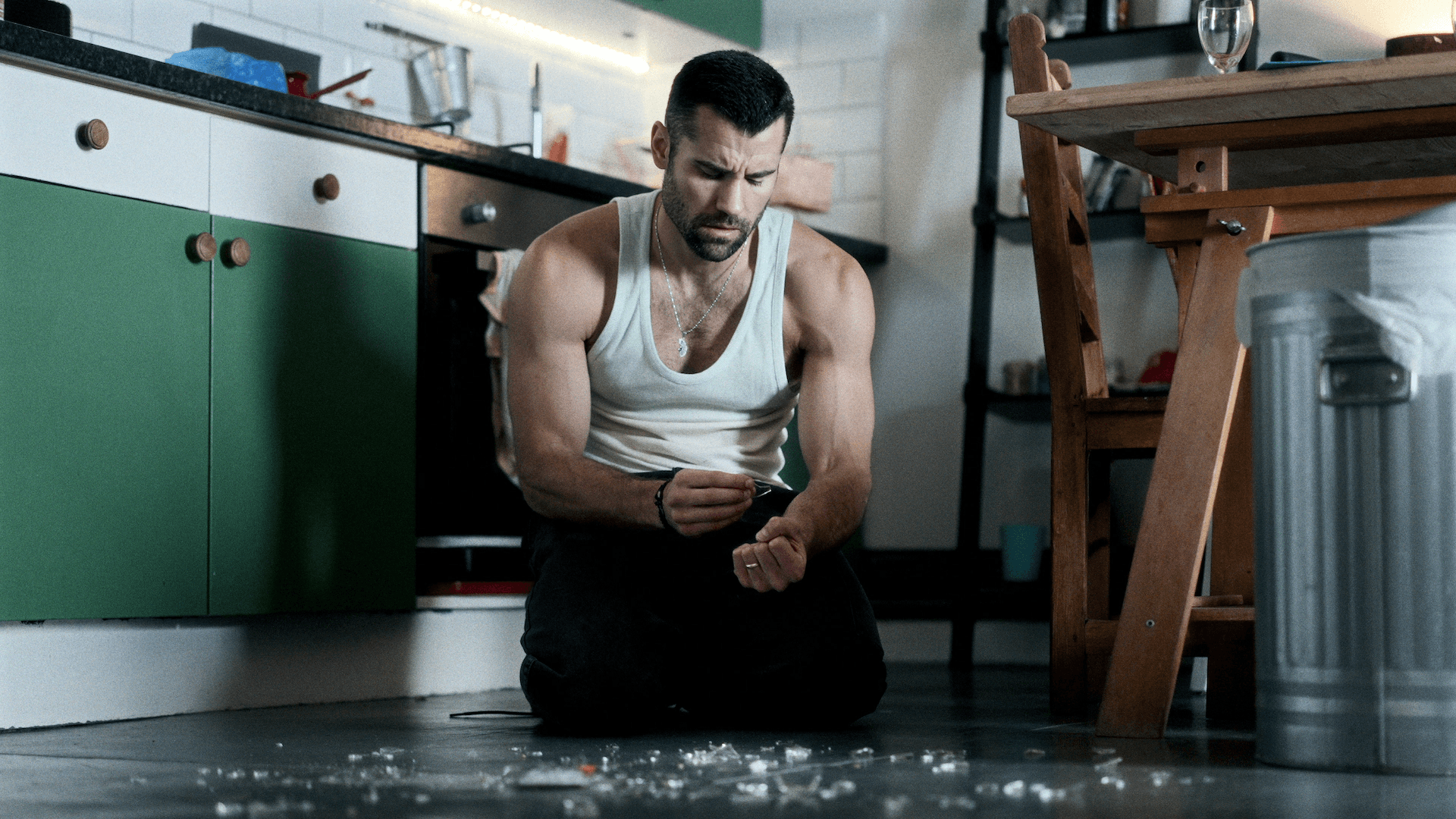
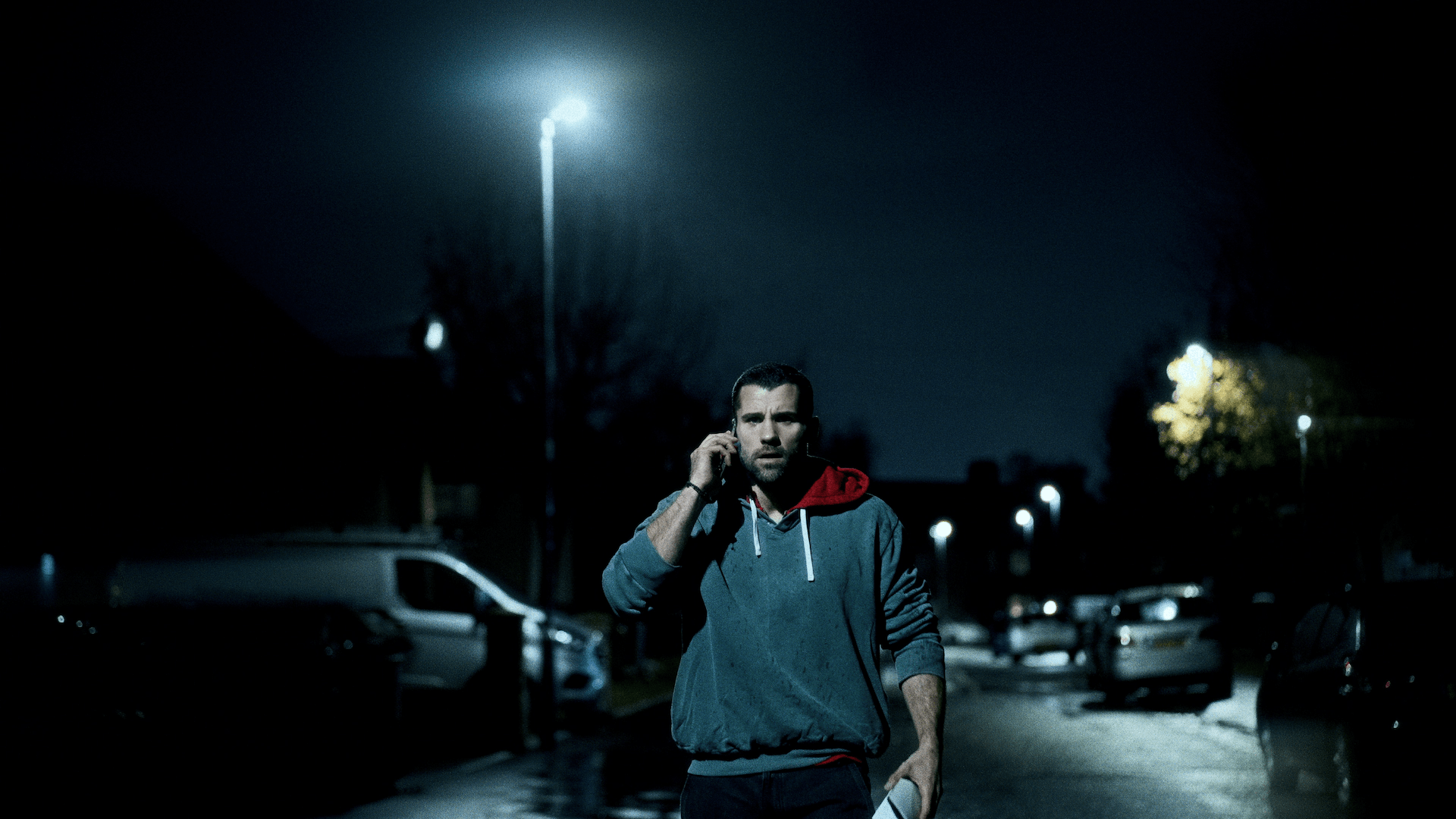
The film follows Rob, an ex-military alcoholic who begins experiencing unexplained blackouts. The more he tries to stop them, the worse they get, until he realises they are being triggered by a trauma his mind is fighting to forget.
Once the script was finally finished, I had to work out how on earth I could film it alone.
Preparation became my lifeline. I knew that once production began, I would be physically and mentally exhausted. I would not always have the energy to make creative decisions.
It all started with the location. A good location can alleviate much of the production process, including set design, props and filming logistics. I needed somewhere that could provide the interior and exterior settings in one place. Splitting the production across several locations would have added more problems to an already never-ending list.
It took more than a year to find. Eventually, I discovered a warehouse apartment in Hackney on Airbnb. Yes, Airbnb is not the go-to place for filming locations, mainly because of insurance. But when you are working solo and the owner is super chill, it can be.
The apartment was gritty, felt lived in and had access to an industrial car park covered in graffiti. It was full of details I could only have imagined, let alone designed.
I recreated the location to its exact scale and measurements in a program called Storyboarder, then storyboarded the entire film in 3D. This allowed me to develop the film’s visual language and work out the exact composition, lens choice, lighting and coverage for every shot.
Importantly, I initially storyboarded without considering the restrictions of solo filming. I wanted to find the best way to tell the story before allowing those restrictions to interfere.
That led to shots I probably would never have attempted if I had approached them as a solo filmmaker.
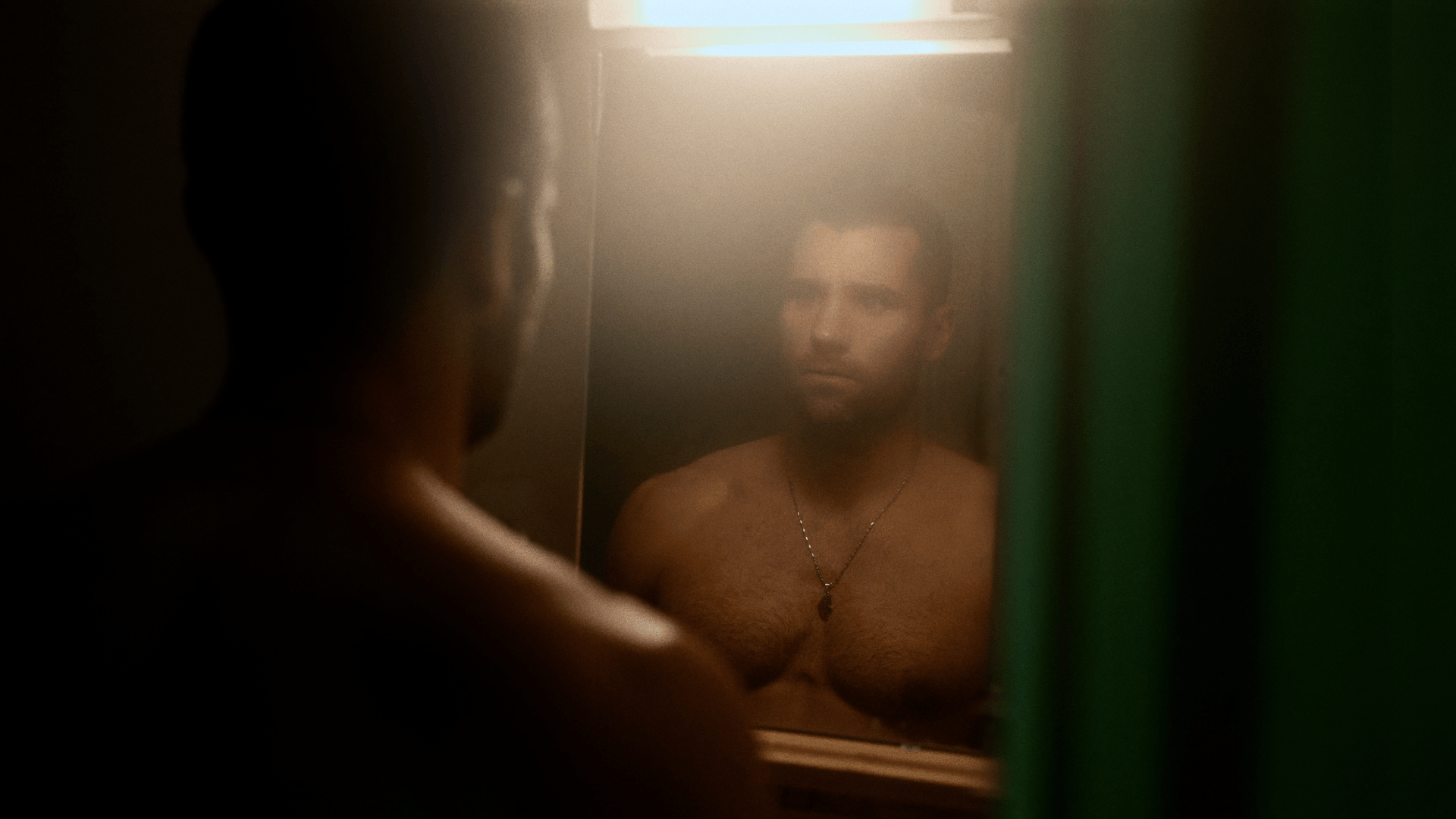
One example is a POV mirror shot in which Rob looks down at his hands in a sink and then back up at his reflection. Anyone who has filmed a mirror shot knows that removing the camera from the reflection is the challenge. When you are doing it alone, however, and it is a POV shot with both of your hands in frame, it becomes almost absurd.
My solution? Strap the camera to my face.
I also did this for a shot where I climbed out of a three-storey window and was more afraid of the camera on the ground floor being stolen than I was of falling out of the window.
Many of my setups were not elegant. My DIY Snorricam, for example, was built using a tripod and a belt. But it worked, and that was all that mattered to me.
It is not what is behind the camera. It is what is in front of it.
How to Film Yourself Without It Looking Like It
After locking the location and storyboards came extensive testing. This was where I worked out how to achieve certain shots and what I needed to learn or build before filming.
From a learning standpoint, sound was one of my weaknesses. They say audiences can forgive imperfect footage, but they will not forgive bad audio. Sound therefore remained one of my priorities throughout production, although I still forgot to switch my microphone on several times.
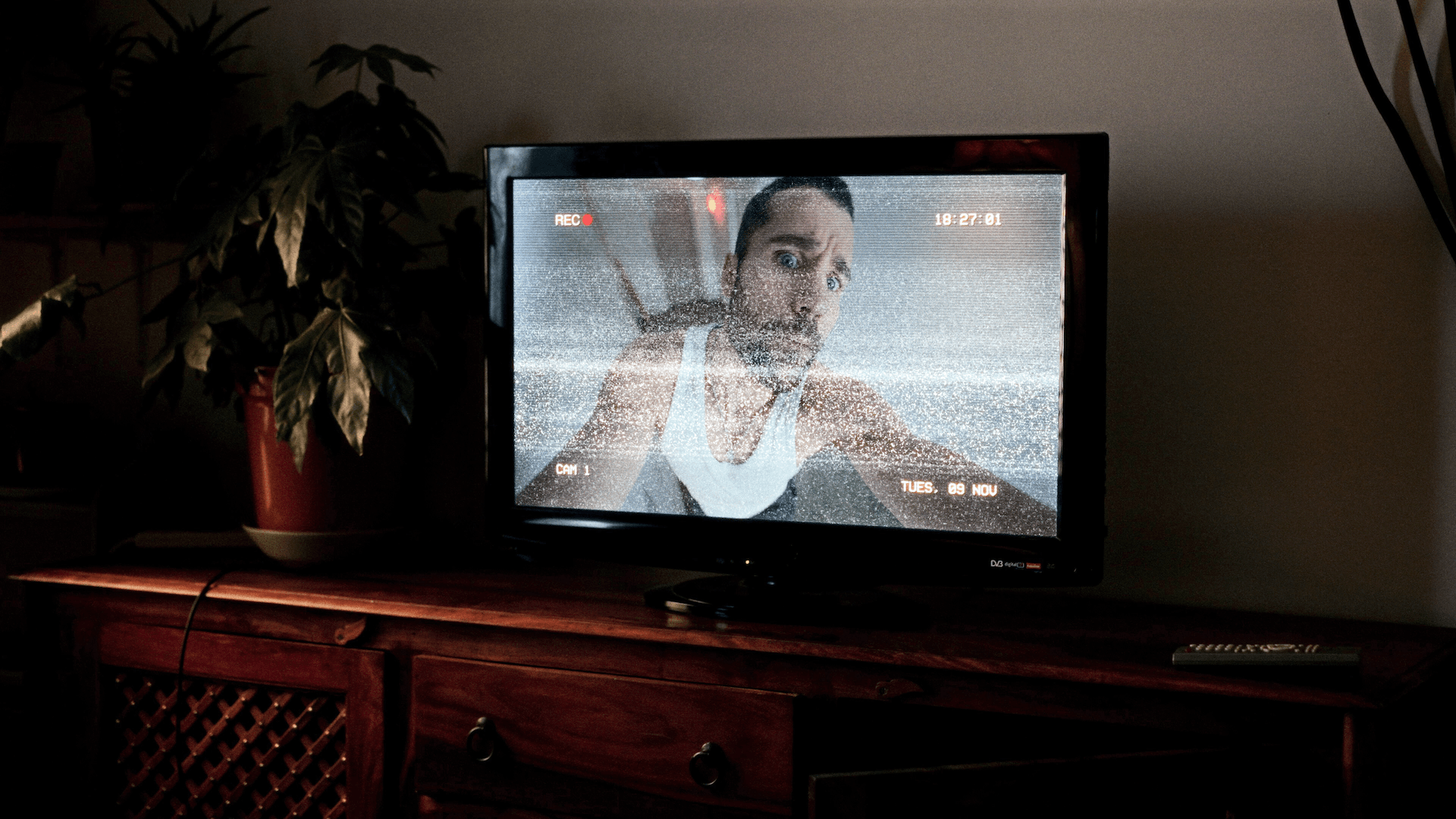
I also had to create screen graphics, including a CCTV interface, web pages and an online therapy conversation. These appeared on screen during filming, allowing me to interact with them and, hopefully, create a more authentic performance.
However, there was no single piece of equipment that made solo filmmaking easy. I needed everything to be reliable and simple enough for one person to operate without causing technical issues or compromising quality.
I shot on a Sony A7S III because it was small and easy to rig, performed well in low light and had reliable autofocus with very little focus breathing. All of this was essential for the shots I had chosen, especially with nobody behind the camera.
I recorded mainly with Rode Wireless GO microphones directly into the camera, making playback and syncing easier in post-production. My lighting setup predominantly consisted of Aputure LEDs, with Astera bulbs inside the practical lights so I had full control of the brightness and colour.
I mainly used a standard three-light setup consisting of a key, fill and backlight. But occasionally, I leaned into the darkness and allowed Rob to remain unlit to serve the mystery within the story.
All equipment and props had to be light enough for me to move by myself. One exception was a full-sized telephone box I hired for the exterior scenes. It looked great, but hauling it around all by myself was challenging, especially at the end of an eighteen-hour day.
For the cinematography, I wanted to draw the audience into Rob’s increasingly fractured perspective, so I decided on a subjective visual style.
I used POV shots, Snorricam and surveillance-style footage, along with shots that placed the camera inside objects Rob was either looking at or thinking about. This became part of the film’s visual identity and made the experience more immersive.
I also wanted the film to have a sense of pace and not look as though someone had placed a camera on a tripod and walked away. To add movement to shots when I was in the frame, I used the Rhino Arc, a gimbal with a face-tracking feature capable of automatically panning and tilting as I moved.
The tracking, however, relied on a phone and struggled in low light, meaning I frequently found myself darting around the room trying to get it to lock onto my face.
But when it worked, it worked brilliantly.
Twenty Days, Five Hundred Shots and No One to Blame
Nothing could fully prepare me for the physical and mental toll of filming that amount of footage alone.
I broke every scene into setups and every setup into individual shots. That amounted to approximately one hundred setups and five hundred shots across twenty days.
Before every shot, I would check the storyboard, set the lights, position the camera, check the sound, press record, perform, review the footage, check that I was in frame and in focus, hope my acting was okay, then go again.
There was no downtime. If I stopped, everything stopped.
There were no call or wrap times. I started when I woke up and finished when I finished, usually late at night. I slept at the location, often still in costume with a laptop on my chest transferring the day’s footage.
Going into production, my target was to film around five script pages per day. On the first day, I managed one.
Despite all the testing and preparation, I had completely underestimated how much we actors love another take.
By day two, I had to silence the actor in my head saying, “Let’s do another,” and trust that I knew the character and the world, so the performance would be there.
Simply put, get the shot and move on.
Eventually, acting became one of the last things on my mind because the camera, lighting, sound, props and continuity were less forgiving.
There were times when I forgot to press record or move a piece of equipment out of frame. I dropped the camera more than once, smashed a lens and set off the smoke alarm for the entire building.
I also filmed an intense two-page scene before realising that I had forgotten to wear the character’s necklace.
I remember saying to myself, “Fix it in post.”
Then I realised I would also have to do post. So I reset and filmed the entire scene again.
I often say that if I look particularly stressed or angry in the film, there is a strong chance the emotion was genuine.
Production broke me. But through it all, the hardest part was not technical. It was staying motivated and remembering why I had decided to do it in the first place.
The Biggest Risk Wasn’t Making It Alone
Not showing the film to anyone until it was finished was perhaps the biggest gamble of the entire production. My dog was the only one who saw anything.
DISREMEMBER is built around Rob’s confused perspective, with information deliberately withheld and several major revelations. If its internal logic failed, the entire film would fail with it.
But I kept returning to one thought.
If everything felt logical within the world I had created for Rob, then technically it should also feel logical to the audience experiencing that world with him.
I hoped.
Fortunately, when I eventually began showing the finished film, audiences understood it.
A six-year gamble paid off.
Fix It in Post. Unfortunately, Post Was Also Me
Once filming ended, I thought the difficult part was over.
How wrong I was.
Post-production took just over a year, which is not bad, all things considered. Editing was what I knew best, and it came together relatively quickly thanks to the storyboards.
I used Final Cut Pro for most of my post-production, including editing, colour grading, masking and sound mixing.
Some people would frown at doing so much in one program. But I have always believed that if you know a program well enough and it does the job, try that before learning the one everybody else recommends. You might surprise yourself.
There were inevitably areas I still had to learn about, though, particularly sound and masking. I watched a vast number of YouTube videos and took online courses. I also turned my spare room into a tiny recording booth for Foley, narration and ADR.
I now wear glasses, which I blame on hours of keyframe masking, a painstaking task that AI plugins can now perform automatically with one click.
However, I deliberately left certain things unmasked in the final film, including a tripod stand visible in one shot.
Why? I am a bit of a perfectionist, if that is not clear already, and leaving it there reminds me to try not to be one.
For the colour grade, I wanted something gritty and imperfect, much like the location and, frankly, my rough-and-ready filmmaking. I used the Dehancer film-emulation plugin to create the look without trying to replicate a particular film stock.
I also attempted to compose the score. But after completing one track over several weeks, I realised that if I wanted to finish the film before I was eighty, royalty-free music was the more sensible option.
I sourced most of the remaining soundtrack through Artlist. I cannot take credit for the music, but I am incredibly glad I used it.
What I’d Tell Anyone Mad Enough to Try It
Story is everything. Making a film with one character only works if there is a convincing and compelling reason for that person to be alone. Internal conflict gave me that foundation, and I built from there.
Prepare far more than you think is necessary. When nobody else is there to notice your mistakes, preparation becomes your saviour.
Keep the equipment nimble and familiar. The best camera or lighting setup is the one you can operate, move and understand quickly.
Turn restrictions into creative choices. The subjective camerawork did not just make the production possible. It made the finished film more immersive and character-driven.
Accept that you will make mistakes. Do not wait for perfection. If you had seen my set, you would probably have laughed at how small, messy and homemade everything looked. But I knew where everything was and how to use it.
Solo filmmaking is not about wearing different hats. It is about wearing them all at the same time and knowing which one takes priority.
I did not make DISREMEMBER alone because I believe films are better without collaboration. I made it to challenge what I thought was possible and stop waiting for somebody else to give me a job.
What began as a personal experiment has become much bigger than I ever imagined. It has won awards, screened internationally and connected with filmmakers who recognise their own struggles in the process.
Finally, people often ask what I would do differently. My answer is simple: do it quicker.
I often procrastinate and wait too long for things to happen. Try not to do the same.
If you are waiting for the perfect budget, the perfect crew or the perfect moment, there is always another way.
Watch Trailer
DISREMEMBER is having a special one-off screening as part of Sunrise Film Festival at the Marina Theatre in Lowestoft on Thursday 20 August at 8pm. The screening will be followed by a live Q&A. Tickets are still available.
This screening is incredibly special to me. I was born and raised in Lowestoft, so bringing the film back to my hometown feels both surreal and exciting.
Author:
Matthew Simpson
Disremember was created entirely by Matthew Simpson with no crew, no cast and no budget. He wrote, directed, shot, edited, performed and handled every other aspect of the production himself.
RELEVANT BLOGS
01.04.26
A VERY HAPPY ACCIDENT - PRODUCER ROSIE ROBINSON ON WINNING THE BEST EAST ANGLIAN SHORT FILM IN 2025
Producer Rosie Robinson shares how Skelter went from a last-minute pivot to winning Best East Anglian Short at Suffolk Shorts Film Festival 2025.
10.04.26
THE SECRETS OF FILMING LOCATIONS IN SUFFOLK
Rachel Aldridge of Screen Suffolk reveals the secrets behind Suffolk’s most famous filming locations, from The Dig to Ed Sheeran’s Castle on the Hill.