

17.04.26
BEHIND THE SCREENS AT SUFFOLK SHORTS:
A TECHNICAL MANAGERS VIEW
Brad Geller, Technical Manager at Suffolk Shorts, reveals what really happens behind the scenes at a film festival, from technical challenges to live problem-solving.
The audience settles, the lights dim, and while all eyes are on the screen, mine are on a very different set of concerns: file formats, playback settings, and whether everything will run exactly as it should.
As Technical Manager for Suffolk Shorts, my role is to ensure that the technical side of the festival is completely invisible. If everything works, no one notices. If it doesn’t, it would be all anyone could think about. So, no pressure at all.
One of the biggest challenges this year came from something deceptively simple. Frame rates.
There’s a moment before every screening where everything hangs in the balance.
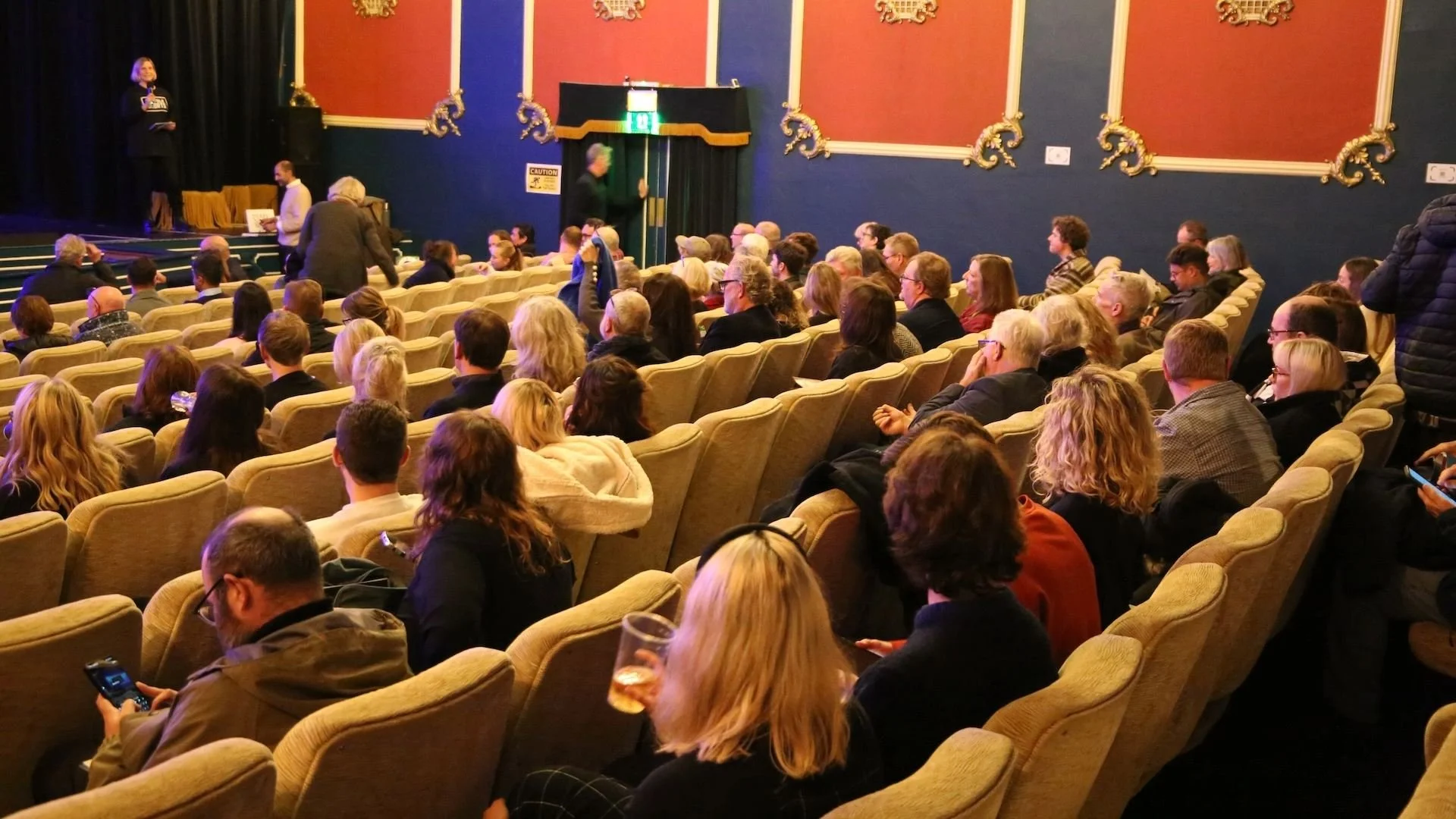
Audience patiently waiting at the 2025 festivalWith submissions coming from a wide range of filmmakers, both local and international, we received films in multiple frame rates (23.98fps, 24fps, 25fps, and beyond). While these differences are often subtle, they can have a noticeable impact on projection if not handled correctly, particularly in the form of judder or uneven motion.
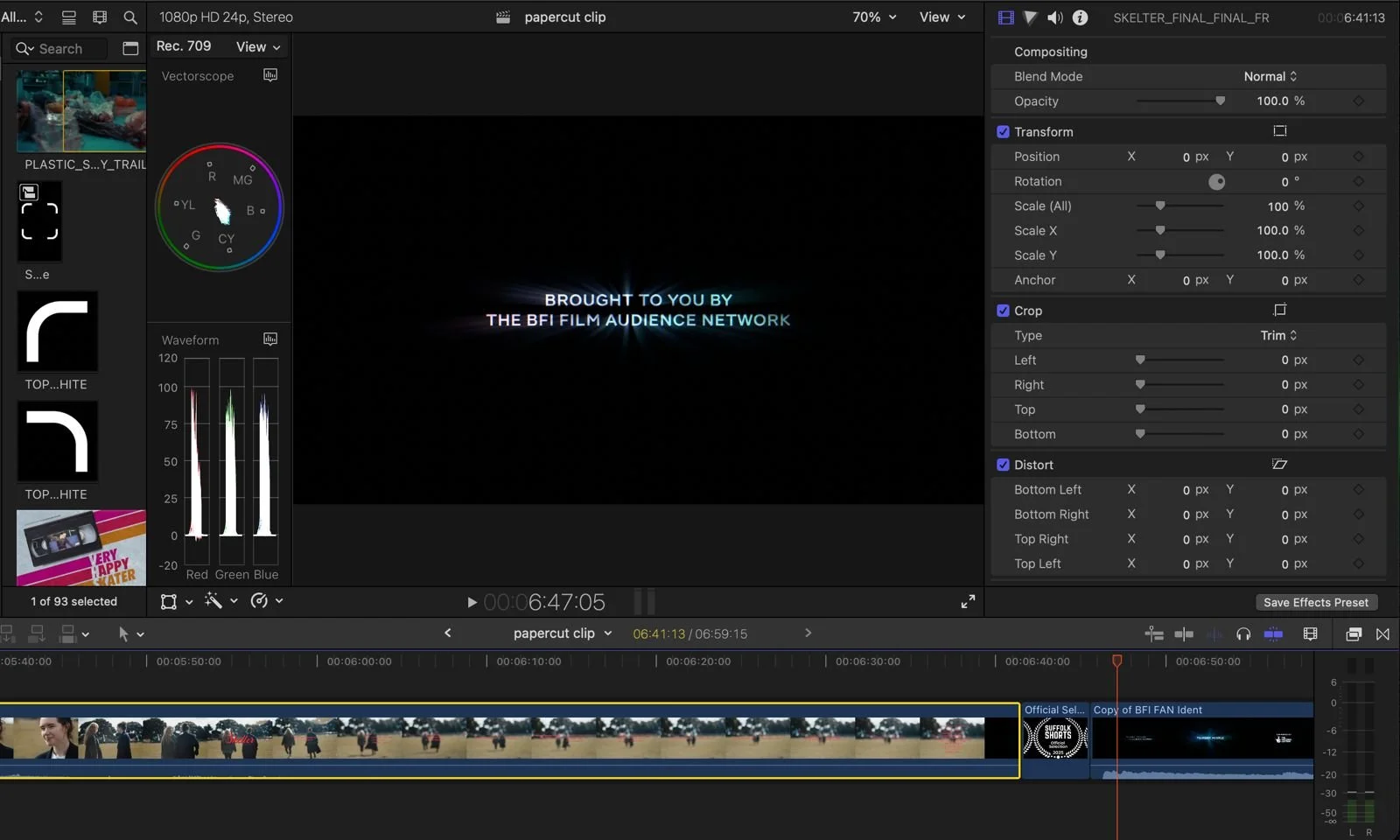
A key part of my role is carefully managing these variations to ensure a consistent viewing experience. That means making decisions about playback workflows, checking how each film behaves in the cinema environment, and finding the best possible compromise between technical accuracy and audience perception.
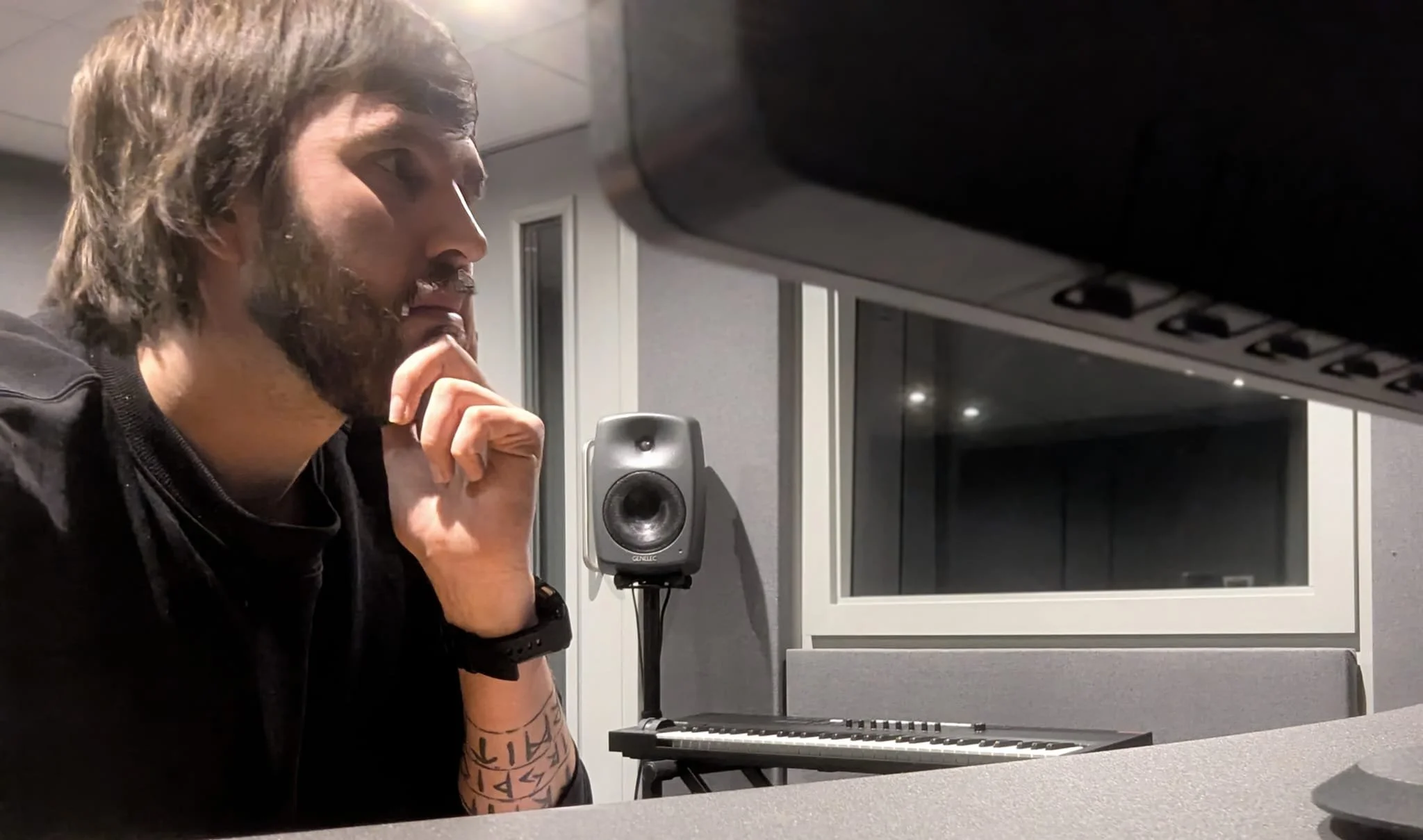
Brad behind the screen It’s a detail many viewers will never consciously notice, but it’s exactly the kind of detail that shapes how a film actually feels when projected, and can be completely immersion breaking if executed poorly.
Now of course, no live event is without its complications.
The day before the festival, we were faced with a significant technical hurdle: server failure, which could have taken potentially weeks of waiting for parts and repairs. For us, the impact was monumental as this meant that triggering DCP playback wasn’t available. For those unaware, a DCP (Digital Cinema Package) is a file format for films, optimised for projection systems to ensure consistent, high-quality screenings in cinemas.
Instead of relying on conventional ingest and control, we had to adapt quickly. Thanks to the incredible team at The Riverside, we ultimately opted for triggering DCPs remotely through alternative means to keep the screenings running smoothly.
Staying calm, thinking laterally, and working closely with the team ensured that the audience remained completely unaware of what was happening behind the scenes.
Technical management in a festival setting is, in many ways, an invisible craft. If done correctly, the audience shouldn’t realise you did anything at all.
Pulling the 2025 programme together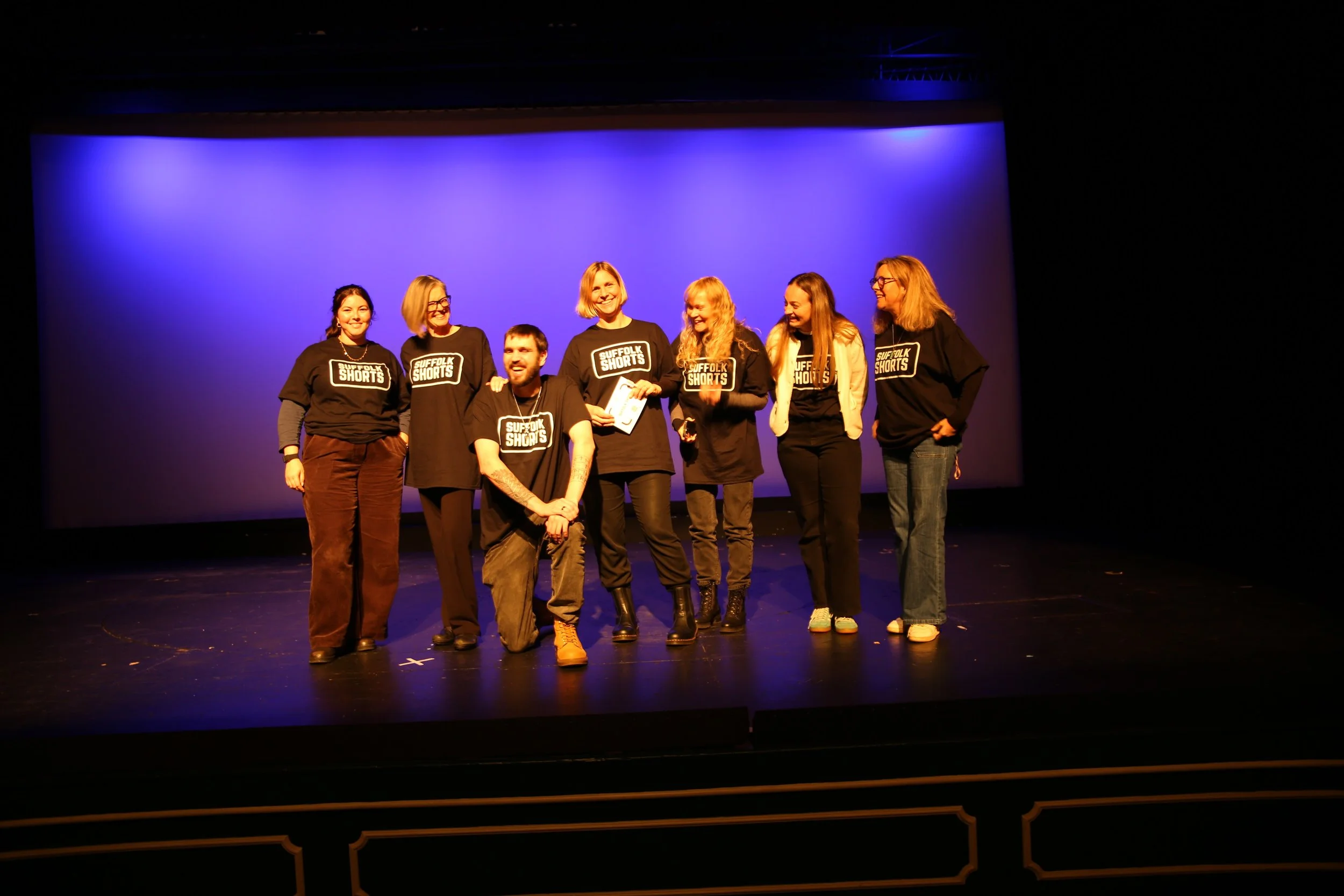
Suffolk Shorts Crew at the 2025 FestivalIn the weeks leading up to our festival, I work on ingesting submissions, checking file formats, standardising playback settings, and building screening playlists. Each film arrives with its own quirks, be it different resolutions, audio levels, aspect ratios etc, and part of the process is making sure they can all coexist within a single, smooth programme.
By the end of the festival, what stayed with me wasn’t the stress, the anxiety, or even the challenges, but the moments when everything came together, and our programmes connected with the audience.
That’s what all the preparation, troubleshooting, and technical decision-making is really for.
Because when everything works, the technical aspect completely disappears and all that’s left is this immersive experience where audiences truly lose themselves in the films.
What I Took Away
Working on Suffolk Shorts reinforced a few key lessons:
Technical precision matters, but adaptability matters more
The smallest details can have the biggest impact on audience experience
Problem-solving is always a team effort
If the audience never thinks about the technical side, you’ve done your job right.
Author:
Brad Geller
Brad is Technical Manager for Suffolk Shorts and an AV Technician at the University of Suffolk, supporting both festival delivery and the next generation of filmmakers.
RELEVANT BLOGS
08.05.26
WHY I BECAME AN IN- KIND SPONSOR FOR SUFFOLK SHORTS
Róisín McKenna - Crick shares why she became an in-kind Sponsor for Suffolk Shorts and the impact it can have on young people in the area.
27.03.26
TIM BIDDLE ON WORKING TOGETHER TO CELEBRATE ON-SCREEN TALENT THROUGH DESIGN
Tim Biddle from PB Studio shares why the studio sponsors Suffolk Shorts, how design shapes the festival’s identity, and why visual storytelling matters for emerging filmmakers.